

Mastering the art of bluffing in casino poker
The Psychology Behind Bluffing
Bluffing in poker is not just about misrepresenting the strength of your hand; it’s also about understanding the psychology of your opponents. Effective bluffing requires the player to read their opponents’ reactions and behaviors. Observing body language, facial expressions, and betting patterns can give crucial insights into whether a player is holding a strong hand or merely waiting for their moment to reveal a winning combination. Many players also explore strategies related to online casino fast withdrawal to maximize their winnings and minimize their losses. This psychological element enhances the complexity of poker, making it a game of not only chance but also skill.
Moreover, successful bluffing hinges on the ability to project confidence. A player who exhibits uncertainty might expose their bluff, making it easier for opponents to call their bets. Conversely, a calm demeanor with controlled movements can create the illusion of a strong hand, inducing doubt in opponents. This psychological manipulation can lead to costly mistakes for others at the table, making it key to understanding both your position and the mental state of your rivals.
Additionally, it’s significant to consider the context of the game when bluffing. Factors such as the stakes, the specific dynamics of the table, and past interactions with opponents can all inform whether or not a bluff is likely to succeed. For instance, if you have a tight image—meaning you typically play conservatively—your bluffs may carry more weight. Conversely, if you have a reputation for frequent bluffs, it might be harder to convince opponents of the quality of your hand, highlighting the need for strategic adjustments depending on the situation.
Types of Bluffs
Understanding the various types of bluffs can greatly enhance a player’s strategy during poker games. One common type is the “pure bluff”, where a player bets or raises with a weak hand, hoping to convince their opponents that they have a stronger hand. This method relies heavily on the previously mentioned psychological tactics, as opponents may fold stronger hands out of fear of facing a formidable opponent. However, executing a pure bluff requires an understanding of the players at the table and a sense of timing, as the wrong context can lead to disaster.
Another technique is the “semi-bluff”, which occurs when a player bets on a hand that is not currently strong but has the potential to improve. For example, if a player holds a flush draw, they can bet aggressively, thus representing strength and also having a chance to complete their hand on future betting rounds. This strategy not only increases the pressure on opponents but also provides the player with an opportunity to improve their hand and still win the pot, regardless of whether or not their bluff is called.

Lastly, there’s the “image bluff”, where a player uses their established table image to gain an advantage. If you have been playing tightly and only showing strong hands, a well-timed bluff can exploit this image. Opponents may find it hard to believe you are bluffing, thus increasing the likelihood that they will fold. Conversely, if your image is loose and aggressive, opponents may call your bets more often, thereby necessitating adjustments in your bluffing strategy to maintain effectiveness.
When to Bluff and When Not to Bluff
Timing is a crucial factor in the art of bluffing. Knowing when to bluff can elevate a player’s game to an entirely different level. Ideally, a bluff should be executed when the player believes that their opponents are likely to fold, meaning they should identify opportunities where the risk of calling seems too high. Factors such as board texture, position at the table, and the perceived strength of opponents’ hands can all influence this decision. For instance, on a board where flush draws or straight draws are prevalent, players may be more cautious, providing an excellent opportunity for a bluff.
Conversely, there are numerous scenarios where bluffing may not be the best approach. If a player is facing multiple opponents, the chances that one of them holds a strong hand increases significantly. Bluffing in such instances can be reckless, leading to increased monetary losses. Additionally, in situations where a player has demonstrated consistent betting behavior or has a formidable table image, it may be wise to avoid attempting a bluff altogether, as the chances of success diminish sharply.
Another important aspect to consider is the overall dynamics of the game. For instance, if a player has been called out for bluffing multiple times earlier in the session, their credibility may be damaged. This situation necessitates a strategic withdrawal from bluffing for a while to rebuild trust and allow opponents to doubt whether they are bluffing again, creating strategic opportunities later on. Building a solid, layered approach to when to bluff and when to hold back can lead to long-term success in casino poker.
Reading Your Opponents
Mastering the art of bluffing is closely tied to the ability to read opponents. Each player has their unique tendencies, and recognizing these can present multiple opportunities for strategic bluffs. Factors such as betting patterns and reactions to certain scenarios can provide essential clues. For example, a player who tends to check-raise may signal strength, while one who frequently calls may indicate uncertainty. By observing these behaviors, a player can tailor their bluffing strategy to exploit weaknesses in their opponents’ gameplay.
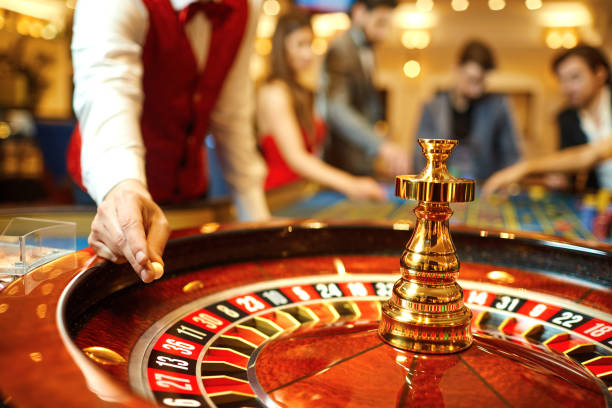
Additionally, non-verbal cues play a significant role in reading opponents. Body language, such as fidgeting, avoidance of eye contact, or fidgeting with chips can indicate nervousness or uncertainty. By honing the ability to decipher these cues, a player can determine whether their opponent is likely to fold in response to a bluff. Furthermore, understanding the emotional state of opponents is equally important. If a player is on tilt—emotionally affected by previous hands—they may make more irrational decisions, increasing the potential success of a well-placed bluff.
Moreover, regularly reflecting on past hands and analyzing opponents’ behaviors can improve a player’s ability to read at the table effectively. Keeping mental notes on how others behave in different situations can provide insight into their gameplay dynamics and ultimately enhance one’s capacity to bluff effectively. This continuous analysis not only sharpens bluffing skills but also contributes to a more profound understanding of poker as a whole, creating a foundation for becoming a formidable player in the game.
Conclusion: Enhancing Your Poker Skills
Mastering the art of bluffing in poker is a multifaceted endeavor that requires a blend of psychological insight, strategic thinking, and meticulous observation. By understanding the psychology behind bluffing, recognizing different bluff types, determining the right moments to bluff, and adeptly reading opponents, players can significantly enhance their gaming experience and overall success at the poker table. Bluffing is as much about deception as it is about skill, and mastering it can provide an edge in both casual and competitive settings.
In addition, continuous practice and experience from real game scenarios are essential to refining these skills. Each hand dealt presents a unique opportunity to learn and adapt strategies. Joining poker communities or playing regularly can offer invaluable experiences that contribute to developing a personal style of bluffing. Ultimately, becoming proficient in bluffing can make a player not just competitive but a true force at the poker table.
For those seeking further insights or resources on mastering poker, our website provides ample information on strategies, tips, and the latest trends in casino poker. Engaging with our platform can elevate your understanding of the game and help refine those crucial bluffing techniques. Connect with us for more resources that will assist in your journey toward poker mastery.